
Types of gluten-free (nut and fruit) flours
A reference article on gluten-free flours — their properties, nutrition and how to bake with each, plus tips for correct use and storage of flour.
Ingredients
Instructions
Soy flour Soy flour is a high-protein substitute for white flour. For some people soy is hard to digest and bitter. Around 15% of people with gluten intolerance cannot take it, and it is not suitable in some autoimmune diseases. There are two kinds of soy flour: full-fat soy flour (with 18–20% fat and 38% protein) and defatted soy flour (with 1% fat and 50% protein). Full-fat flour is milled from the whole bean after peeling and light roasting, while defatted soy flour is a by-product of oil production (made in the oil factory from the press after the soy oil is separated). Soy beans are used only as added flours to normal grain flour when baking (up to about 20%).
Chickpea flour Chickpea flour is a gluten-free flour made from raw dry chickpeas. It is rich in proteins, fibre and carbohydrates, contains magnesium, calcium, potassium and phosphorus, able to counter high blood pressure and fatigue and to strengthen the brain and bones. Chickpea flour is one of the most popular gluten-free flours in the kitchen. It is especially used in Central Italy, in creating refined products, and it is also very easy to prepare at home. When cooking with it, let the mixture rest for a while or cook longer, since it absorbs the liquid. It has a high protein content and a distinctive taste that not everyone likes.
Corn flour Corn flour is a gluten-free flour made from yellow or white corn, with a high starch content. It is rich in it — up to 85% — poor in proteins and amino acids and contains more fat. This makes it non-durable for storage. When used for baking, the corn is finely milled and must be mixed with other types of flour (for example wheat). Corn flour is usually used for tortillas, empanadas, biscuits and even bread. It is the basis of one of the most typical products of Northern Italy — polenta.
Buckwheat flour Buckwheat belongs to the family of algae and is part of a group of foods called pseudocereals. These are seeds used and consumed like grains, but they do not grow like grass. Buckwheat flour does not contain gluten and is made from milled buckwheat. Buckwheat became popular as a superfood because of its high content of minerals and antioxidants. It is suitable for people with diabetes and heart problems. It is thought to improve gut flora because it contains probiotics. It also contains many substances beneficial to the heart — for example rutin, magnesium, copper, fibre, manganese, iron, phosphorus and some proteins. Among grains and pseudocereals, buckwheat is the richest source of rutin — an antioxidant that can reduce the risk of heart disease by preventing blood clots and lowering blood pressure. Buckwheat flour can be used for baking and cooking, as well as for thickening dishes. It is an ideal substitute for wheat flour. Since it is gluten-free, it must be mixed with other types of flour when baking. It has a natural stickiness and acts as a binder for products. Its taste is also peculiar and not liked by many. Buckwheat flour can also be made at home with a blender. It is often used for making pancakes, dumplings, waffles, buns, cakes and pies.
Flax flour Flax flour is made by milling the residual product obtained after the oil is extracted from flax seed. Compared to other flours, it contains a minimal amount of carbohydrates, which makes it an excellent part of a diet menu. Also, flax seed is a direct supplier of fibre and high-quality plant proteins to the body, which makes its flour especially suitable for athletes. Flax seed is an ideal source of omega-3 for vegetarians and vegans, as well as of alpha-linolenic acid (ALA), which leads to reduced risk of cardiovascular disease. Thanks to its ability to increase its volume in liquid, flax flour is especially suitable for thickening soups or sauces. Physically active people can also add it to their protein drinks or smoothies.
Banana flour A lesser-known gluten-free flour that is also used as an alternative to wheat. It is produced from green bananas and has the delicate taste of raw banana. After cooking, however, it loses this taste and can therefore be used as a healthier alternative to white or processed wheat flour. Green bananas are known to be rich in prebiotic fibre, important for supporting good gut health and for reducing belly fat. They also improve digestion, and potassium increases muscle strength and speeds up metabolism. Banana flour is extremely rich in resistant starch, so it can help diabetics improve their insulin sensitivity and maintain their blood sugar levels, because it is stored in the large intestine. Banana flour can be used as a substitute for wheat or white flour.
Rice flour Rice flour is made by milling white or brown rice, and its greatest advantage is that it is very affordable. It is a common substitute for wheat flour. It is also used as a thickener, since it absorbs liquids. Brown rice is more nutritious and a good source of fibre, vitamins and minerals such as calcium and zinc. Rice flour is most often used as a thickener — mainly of seasoned and thickened sauces and stews. It is very common in Japan, where it is used to prepare tempura and rice noodles. Rice flour is high in starch and has an elasticity close to that of wheat. It has a neutral taste, which makes it an ideal choice for baked goods.
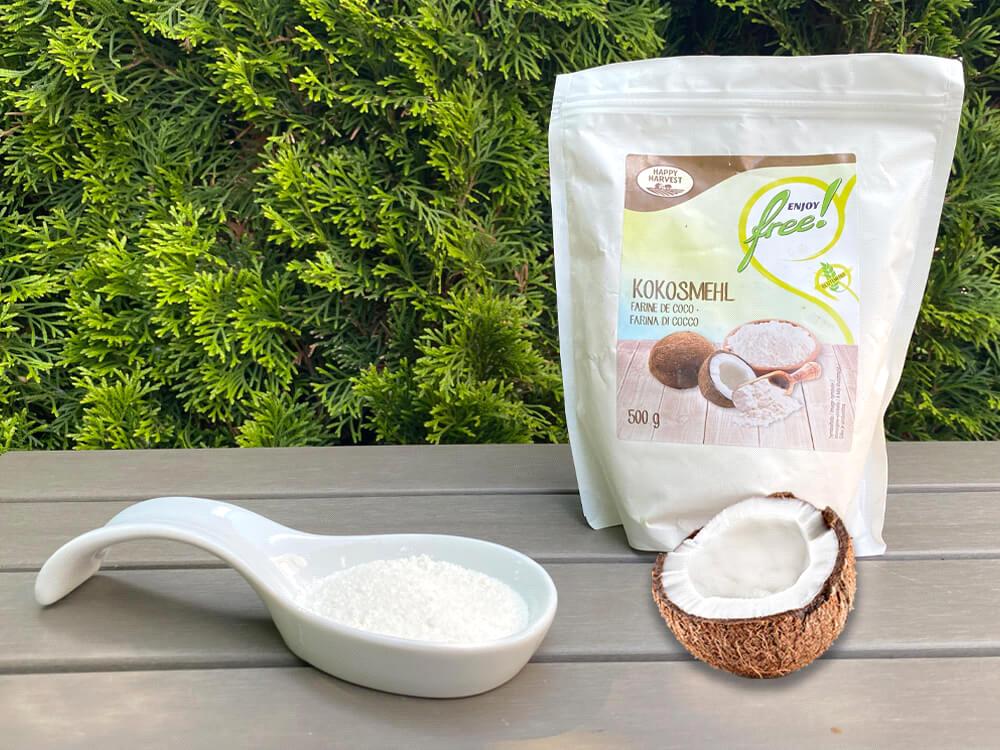
Coconut flour Coconut flour is produced by milling and drying the fleshy part of coconuts. The resulting white powder resembles flour made from grain and has a very delicate taste. Coconut flour has a relatively high protein and fat content, 10 times more fibre than white flour and a low carbohydrate content. It is suitable for people allergic to nuts and gluten, suffering from celiac disease or diabetes. This flour is suitable for weight loss, since it contains fats that do not accumulate in the body like ordinary fats, because they are transported directly to the liver where they take part in producing energy. They can also reduce appetite and help you burn a few more calories, since they do not turn into fat but into pure energy. When using coconut flour for baking, it is important to know that it has a lower density than wheat flour, so you need to use a thickener or more liquid, because it absorbs a large part of the water. It can be used as a natural thickener for soups, stews and smoothies, as well as for making sweets and desserts. It is best combined with other types of flour. Using it on its own is not recommended, because its consistency is slightly grainy.
Almond flour Almond flour is among the best-known and most beneficial types. It is made from ground almonds, and there are 2 main kinds on the market. Fine almond flour is made from peeled blanched almonds. The other has a coarser texture and is made from ground almonds with the skin. The production process starts with blanching the almonds in boiling water to remove their skins. The cleaned almonds are crushed and sieved into fine flour. Since this process is not that hard, you can easily make almond flour at home. Almond flour is extremely rich in health-beneficial fats, proteins and vitamin E, which acts as an antioxidant. It has 2 times more protein and 3 times more fibre than white flour. It is suitable if you are on a diet or have gluten intolerance. Almond flour is also rich in magnesium, which improves blood sugar control and reduces insulin resistance and blood pressure. In confectionery, almond flour is most often used as a substitute for wheat flour when baking cakes and making pancakes and desserts. It gives baked goods a nice structure. It contains natural oils that make dough products soft and moist. Large quantities should not be eaten at once, as it is quite caloric. Almond flour has a slight nutty taste, but when using it be careful with the amounts. It is not substituted 1 to 1 with white flour, but as follows: instead of 1 cup of white flour, add 1/3 cup of almond flour in recipes with yeast. If you bake sweets or small biscuits, instead of 1 cup of white flour, put 1/4 cup of almond.
Quinoa flour Quinoa flour is a good source of protein, fibre, iron and unsaturated fats. It has a cleansing and anti-inflammatory effect on the body. It is high in protein, with a very strong aroma. Quinoa flour is also easily made with a blender at home. When baking with it, you should know that 1 cup of white flour is replaced by 1/2 cup of quinoa flour. It is suitable for pancakes, bread and pizza dough.
Tips for correct use and storage of flour ➤ It is good to sift the flour before using it. This means passing it through a sieve. This way the flour is “aerated” and becomes lighter. ➤ Flour should be the last ingredient you add to the dough. When mixed with other ingredients, it starts to develop gluten. Also, it is not recommended to add all the flour at once — better in two or three additions, so as not to “crush” the other ingredients and lose their air and fluffiness. ➤ Flour should be stored in a dry and cool place. When it stands in the air, the oils in it oxidise and it goes rancid. In hot weather it is better to keep flour in the fridge. ➤ Flour should be stored in a closed container/jar/packaging. This helps protect it from moisture and side odours, as well as from insects and rodents. You can freeze the flour for 48 hours before putting it in a cupboard. This way you will kill any insects or their eggs if they were already in the flour. It is not recommended to mix old flour with new. ➤ Do not store flour near washing powders, onions or other strong-smelling products, since it absorbs odours. ➤ Whole-grain flour is recommended to be stored constantly in the fridge, since at room temperature its natural oils provoke it to go rancid quickly. ➤ Throw away flour if it smells bad, has changed colour, or insects have appeared in it. ➤ And here is a trick for storing flour — put a bay leaf in the flour container to protect it from insects. The bay leaf naturally repels insects.