How to Make Fruit Pearls
A step-by-step guide by Debra Pachucki for making tiny caviar-sized fruit-juice pearls at home using sodium alginate and a calcium chloride bath.
⏱️ Prep: 20 min🍳 Cook: 0 min
Nutrition
per per 300 g portion15
Calories
0g
Protein
4g
Carbs
0g
Fat
Ingredients
| 200 g | Fruit juice |
| 2 g | Sodium alginate |
| 100 g | Water |
| 1 g | Calcium chloride |
Instructions
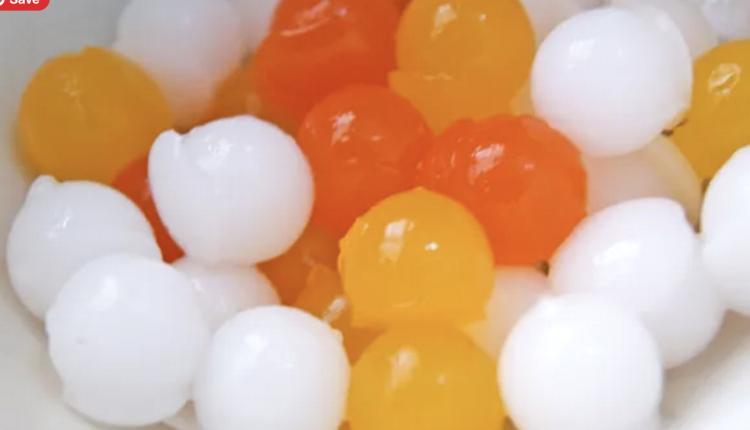
Fruit pearls are tiny, caviar-sized balls made from fruit juice. They can be flash-frozen for a firmer texture, or made through molecular gastronomy: drops of juice are mixed with edible chemicals and dropped into a calcium chloride solution to form chewy pearls with juicy centres.
Method
- Weigh 200 g of juice using a kitchen scale and pour into a small bowl.
- Measure 2 g of sodium alginate and add it to the juice.
- Mix the alginate and juice with a handheld immersion blender for one minute.
- Fill a plastic syringe with the mixture and set aside.
- Measure 100 g of water and 1 g of calcium chloride; stir them together in a large stainless-steel bowl.
- Use the syringe to drip small drops of the juice mixture into the calcium chloride solution. Let the pearls sit for two minutes, then remove with a ladle or spoon.
Tips
- Make a larger test pearl first to check the consistency; add more sodium alginate for tougher pearls, or more juice for softer ones.
- Combine different fruit juices for new flavours.
- Freeze finished pearls for 5–20 minutes for a frozen treat, or use them to decorate cakes, pies, sundaes, and cupcakes.
- Cranberry-juice pearls make a fun twist on cranberry sauce with chicken or turkey; vegetable-juice pearls work well in health shakes or salads.
Warning: always follow the package directions when working with these food-grade chemicals.